The $1,185 Fee Cut That Turned One Coconut Grove Tree Appeal Into Eight a Month
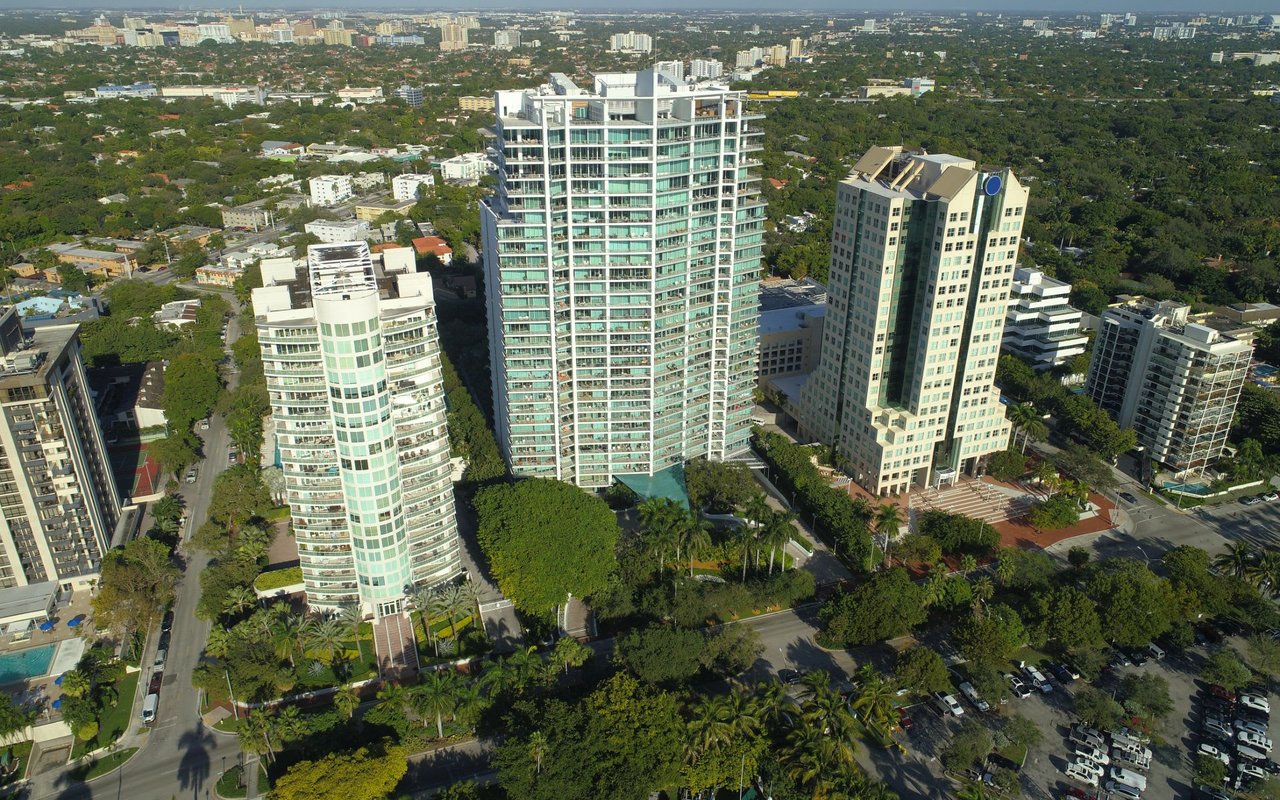
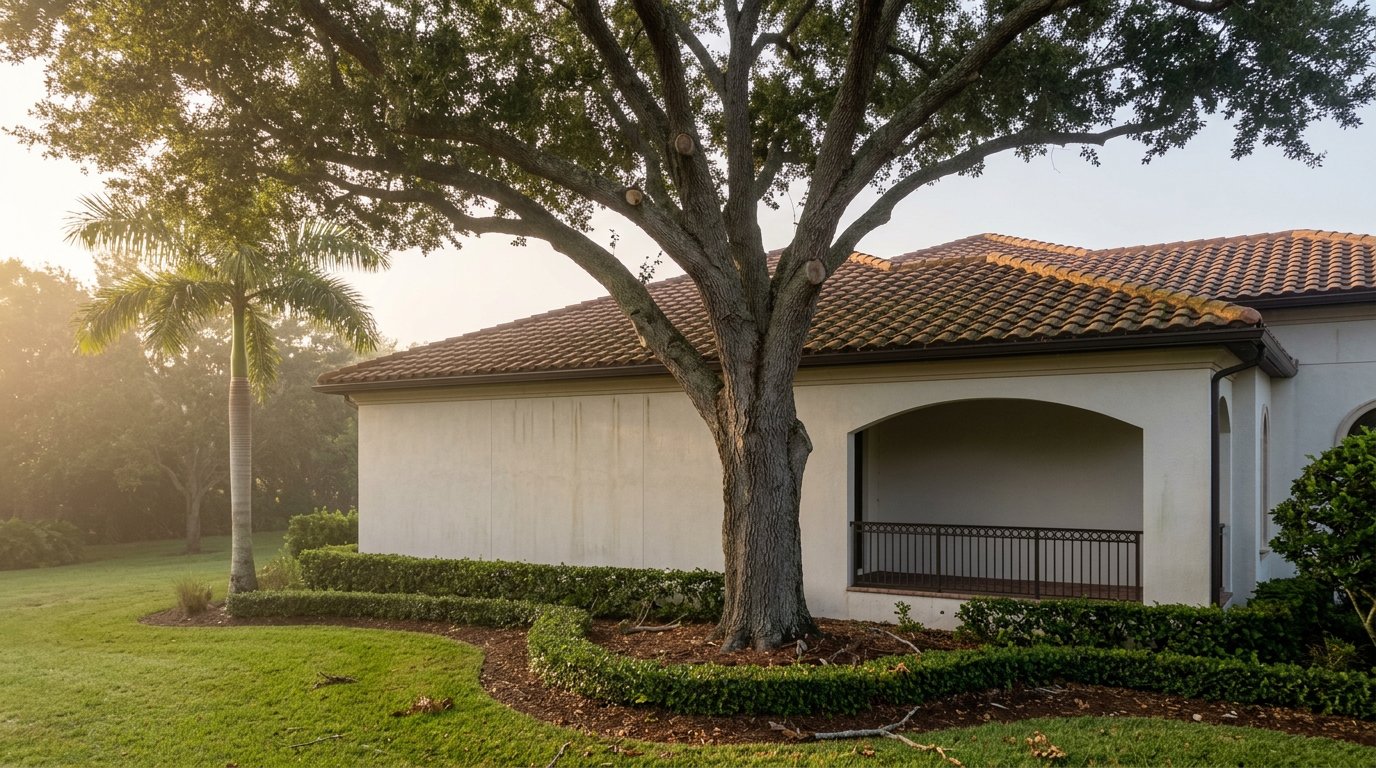
On Irvington Avenue, a narrow street in the South Grove lined with palms, oaks and strangler figs, a 52-foot live oak with a 30-inch trunk sat inside the footprint of a proposed new home earlier this year. The developer had a permit path. An arborist hired by the property owner flagged the tree as sick. Chris Pruett, a certified arborist who grew up on that street and moved back to it, called the diagnosis false. Neighbors organized. An appeal followed. The permit that once looked routine is now the kind of file that keeps a site crew from mobilizing.
That single tree is not the story. The story is what changed underneath it. Miami cut the base fee to appeal a tree removal permit from $1,500 down to $315 last year, with total city charges landing around $650 once other costs are added. Before that reduction, only one Coconut Grove tree appeal was filed in all of 2025. By July 2026, the city's Historic and Environmental Preservation Board was hearing eight in a single month, enough that the board doubled its meeting schedule and now devotes one session a month exclusively to tree appeals.
That is the mechanism worth understanding if you are buying, selling, or renovating a canopied lot in the Grove right now. Cheaper appeals did not make outcomes more predictable. They made every specimen-tree permit sit in a longer window of uncertainty, whether the challenge ultimately succeeds or not. For a transaction with a closing date attached to it, uncertainty is the cost that matters.
Miami-Dade's tree code defines a specimen tree as any trunk measuring 18 inches or more in diameter at breast height, roughly four and a half feet off natural grade. Live oak, gumbo limbo, and mahogany, among other protected natives, are effectively unremovable without a documented hazard, a disease confirmation from a certified arborist, or a formal variance hearing. On a canopied lot in the Grove, that measurement, not the zoning setback and not the flood line, is often what actually determines where a house can sit.
Once the city posts an "intended decision" on a removal, residents get a window of 10 to 15 days to file an appeal with the HEPB. The applicant also needs standing, meaning they must be a City of Miami resident or an abutting property owner. That requirement was tested this spring when Nicole Gazo tried to block the removal of 57 trees for a temporary padel and pickleball complex on a vacant Grand Avenue lot. Her appeal was dismissed late on a Tuesday night because she was neither a resident nor an adjoining owner, and the removal proceeded.
The same month the Grand Avenue case fell on a technicality, the HEPB reversed two other Coconut Grove removals on the merits. The pattern across all three is the real lesson for anyone evaluating a canopy lot.
| Property | What was at stake | HEPB outcome |
|---|---|---|
| Swanson Avenue, North Grove | Two specimen hardwoods, a royal poinciana and a golden shower | Permit unanimously overturned |
| Utopia Court and El Prado Boulevard, South Grove | 15 trees, with a mitigation plan proposing 19 replacement hardwoods and 12 palms | Permit overturned 4-2 |
| 3520 Grand Avenue | 57 trees cleared for a temporary sports facility | Appeal dismissed on standing, removal proceeded |
Two permits reversed, one upheld, all within the same season. A buyer cannot assume a pending removal will be blocked, and a seller cannot assume it will survive a challenge. The only safe assumption is that a specimen tree inside the buildable footprint adds a genuine variable to the timeline, one that a purchase contract with a fixed closing date needs to account for.
The financial trade-off is not theoretical. One property owner in the Grove described what it actually cost to keep two specimen live oaks squarely inside a lot's buildable footprint. Fitting a one-story house, septic drain field, driveway, and underground utilities around the trees and their root zones reduced the home's interior square footage and substantially increased construction costs, by that owner's own account, while lengthening the entire process.
The owner also noted the alternative most builders take instead: remove the trees, pay into the city's Tree Trust Fund, and build the more conventional house the market rewards for its size. When removal is permitted, Miami-Dade requires inch-for-inch diameter replacement, and any project needing ten or more replacement trees must plant at least 50 percent native species with palms capped at no more than 30 percent of the total. Where physical replanting cannot satisfy that requirement, the balance goes into the Tree Trust Fund as an in-lieu payment. For a developer running a pro forma, that fund is often the cheaper and faster path, which is exactly why activists argue the current fee structure favors removal over preservation even as individual appeals succeed.
There is a real penalty for skipping the process entirely. If trees come down during demolition without a permit, an after-the-fact permit is required, the applicable fees double, and the file becomes public. On a project already drawing scrutiny, that kind of entry tends to invite an appeal on every subsequent removal tied to the same permit set, which is its own way of turning a shortcut into a longer delay.
The appeal surge is not the end of the story either. On May 14, 2026, the Miami City Commission created a Tree Ordinance Advisory Committee, an 11-member panel with representation from each commission district, tasked with an eight-month review of the city's tree protection rules. The committee's recommendations are not due to the City Commission until around March 2027. Five public workshops ran across the city's districts through August, including a Coconut Grove session on August 20 at The Hangar at Regatta Grove, where roughly 50 residents spent nearly three hours raising concerns about enforcement and permit costs.
The city's own data complicates the picture further. An analysis posted by District 2 Commissioner Damian Pardo in August 2026 found a net gain of 25.8 acres of tree canopy across the twelve neighborhoods studied in his district between 2023 and 2025, including large portions of Coconut Grove. Residents at the workshop pushed back on the finding, arguing it understated what they see happening lot by lot. Whichever reading holds up, the practical point for a transaction today is that the rules governing specimen trees, appeal fees, and mitigation requirements will not change before next spring at the earliest. Anyone closing on a canopy lot between now and then is operating under the current fee schedule and the current appeal window, not whatever the committee eventually recommends.
If a lot in the Grove has mature canopy and any redevelopment potential, the tree file deserves the same early attention as a survey or an inspection. The city's list of intended decisions is public and updates on a rolling basis, giving a two-week snapshot of which properties have pending removals subject to appeal. Checking that list, and asking a seller directly whether any removal permits have been filed or challenged on the property, is now a standard part of due diligence on a canopied lot rather than an optional extra.
How do I find out if a specific Coconut Grove address has a pending tree removal permit? The city posts intended decisions publicly, with a 10 to 15 day window during which residents can file an appeal. Because the list turns over roughly every two weeks, checking it close to the time of an offer gives the most accurate picture.
What if a seller already removed trees without a permit before listing? An after-the-fact permit becomes required, the applicable fees double, and the file becomes public record, which tends to draw closer scrutiny to any other removals tied to the same permit application.
Will the ordinance rewrite change these rules before I buy? Not immediately. The Tree Ordinance Advisory Committee is not scheduled to deliver recommendations to the City Commission until around March 2027, so the specimen-tree thresholds, appeal fees, and mitigation requirements in place today are the ones governing any transaction that closes before then.
Coconut Grove's canopy is part of what makes the neighborhood worth the premium buyers pay for it, and it is also, right now, the single variable most likely to move a closing date. If you are evaluating a canopied lot in the Grove, whether you are the one selling it or the one hoping to build on it, the Ben Moss Group can walk the property's permit history with you before you write or accept an offer. Schedule a private consultation to talk through what a specific address's tree file means for your timeline.
Ben has built his business by forming long-lasting relationships with his clients through providing diligent and analytical service, impeccable market knowledge, attention to detail and uncompromising ethical standards.
CONTACT US