How to Sell a Historic Home in Coral Gables
If you own a historic home in Coral Gables, you are not selling a standard property. You are bringing a piece of the city’s architectural story to market in a place that takes preservation seriously. That creates real opportunity, but it also means buyers will look closely at provenance, condition, and compliance. This guide will help you understand how to position your home, prepare it for sale, and navigate the details with confidence. Let’s dive in.
Coral Gables has a strong preservation identity rooted in its architectural history. The city describes Coral Gables Mediterranean Architecture as part of George Merrick’s original vision, and it highlights landmarks such as City Hall, the Merrick House, Douglas Entrance, Venetian Pool, the Biltmore Hotel, and the MacFarlane Homestead Historic District. According to the city, MacFarlane is the only historic district in Coral Gables listed in the National Register of Historic Places. You can explore that local preservation context through the city’s Mediterranean design resources and historic landmarks page.
That local identity matters when you sell. Buyers in Coral Gables often respond to architecture, materials, and original details in a way that goes beyond square footage alone. A historic home can appeal as a scarce lifestyle asset, but it also needs to be marketed with accuracy and care.
The local numbers support a thoughtful selling strategy. In Q4 2025, Coral Gables single-family homes had 95 closed sales, a $2.05 million median sale price, a $4.04 million average sale price, 90.4% of original list price received, a median of 93 days to contract, 164 active listings, and 5.4 months of supply, according to the Miami Realtors local market metrics report.
That same report shows that about 62 of the 95 closed sales were cash transactions, or roughly two-thirds of the market. For you as a seller, that points to a selective luxury buyer pool with the means to move quickly, but also the expectations to scrutinize quality, approvals, and long-term value. Historic homes tend to perform best when they are positioned as premium, limited assets rather than generic inventory.
One of the biggest mistakes sellers make is waiting too long to understand what their home’s historic status means. In Coral Gables, local historic designation generally starts with properties that are at least 50 years old and have historical, architectural, or aesthetic significance, according to the city’s preservation guide. The same guide notes that designation itself does not automatically increase property taxes.
If your home is designated locally, or if prior work involved historic review, your listing preparation should include a clear paper trail. Buyers and their advisors may want to know what was original, what was restored, and what received approval. Organized records can make your home feel more credible and easier to underwrite.
In Coral Gables, a Certificate of Appropriateness, or COA, is the key approval step for most exterior work on a historic property. The city states that a COA is required before most exterior work begins, before a building permit is issued, and before a variance can be granted, as outlined in the city’s historic preservation guide.
Minor work such as in-kind repairs, painting, or re-roofing may be handled administratively. Additions, demolition, and major exterior remodeling are typically referred to the Historic Preservation Board. If you completed work before listing, having documentation ready can reduce friction during due diligence.
The process is detailed, not informal. Coral Gables’ COA application packet asks for materials such as site plans, floor plans, elevations, photos, and material samples, and it states that a Board of Architects recommendation must be obtained before submitting a COA application.
Timing matters too. The city notes that the Historic Preservation Board meets every third Wednesday at 4 p.m., and major reviews can take months. If your sale depends on unfinished exterior work or active approvals, build that into your timeline and pricing strategy.
Historic homes usually benefit most from selective preparation, not over-renovation. Coral Gables’ preservation standards emphasize protecting character-defining features and keeping additions compatible with the original structure. That includes details such as windows, roof pitch, massing, scale, materials, and window placement, while avoiding fake historic features that create a false sense of history, according to the city’s preservation standards.
In practice, that means your best pre-listing upgrades often improve function and resilience without changing the home’s visual identity. Careful work to roofing, drainage, mechanical systems, and openings can add value when it respects the original architecture.
Many sellers worry that every change inside the home will be restricted. In most cases, interior remodeling is not reviewed under the preservation ordinance unless ad valorem tax relief is requested for the interior, or the interior has been specially designated, according to the city’s preservation guide.
That usually gives you more flexibility to modernize kitchens, baths, lighting, and systems before listing. Still, if your home has notable interior details such as original flooring, fireplaces, niches, open beamed ceilings, moldings, or staircase features, those elements can strengthen the home’s story and should be considered carefully before replacement.
In South Florida, buyers pay attention to storm readiness. Coral Gables’ hurricane protection program makes clear that impact window and door upgrades are part of the local conversation and must align with Florida Building Code wind-pressure requirements.
For a historic property, the goal is balance. Resilience upgrades should work with the architecture rather than flatten it. Buyers often appreciate improvements that make the home more durable while preserving original openings, proportions, and materials where possible.
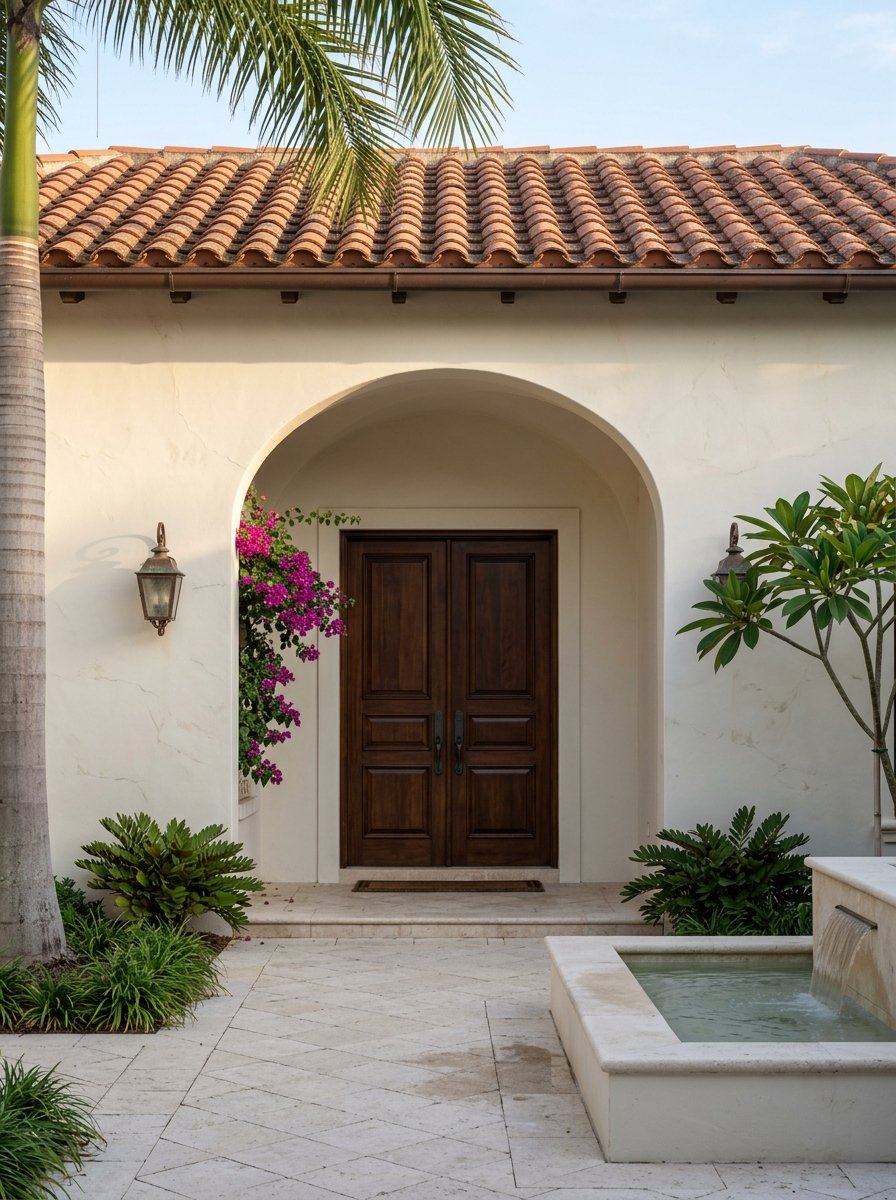
When you sell a historic home in Coral Gables, staging should highlight what makes the property distinct. This is not the time to make the home feel anonymous. Architectural details such as coral rock, stucco, arches, loggias, barrel-tile roofs, decorative surrounds, courtyards, and mature landscaping are often part of the value story.
The city’s historic landmarks showcase many of those same features in notable local properties. That gives you a useful lens for presentation. Clean sightlines, good lighting, and restrained furnishings can help buyers focus on the craftsmanship and setting rather than distractions.
Before going live, gather records that support the home’s history and condition. That can include prior approvals, permits, plans, invoices, restoration details, dates of major system updates, and photos that show what has been preserved.
This kind of documentation aligns with the city’s COA submission requirements, which rely on clear visual and material evidence. It also helps answer buyer questions quickly, which is especially important in the luxury segment where decision-makers may be evaluating multiple properties at once.
Historic designation is often misunderstood, especially around taxes. Coral Gables states in its preservation guide that properties listed in the Coral Gables Register are not subject to increased property taxes solely because of the designation.
The same guide also says approved improvements may qualify for a ten-year freeze on the value of those improvements, though the tax-relief application is separate from the COA process. At the state level, Florida’s historic property tax exemption program says a local historic tax exemption can cover up to 100% of the increase in assessed value from approved rehabilitation for up to 10 years, subject to program requirements and consistency with the Secretary of the Interior’s Standards.
For many sellers, the bigger point is value framing. Coral Gables’ preservation materials state that historic preservation is used to stabilize and enhance property values in historic areas. When combined with current market data, that supports a selling strategy centered on scarcity, architectural integrity, and long-term appeal.
Another point that often needs clarification is National Register status. According to Florida’s Division of Historical Resources, private owners of National Register properties are not required to open them to the public, and listing by itself does not prevent modification or demolition.
For most Coral Gables sellers, the more immediate issue is local regulation, not federal listing. In day-to-day terms, local ordinances and the COA process tend to matter more to your transaction than National Register status alone.
Historic homes in Coral Gables usually attract buyers who value design, setting, and permanence. Some are end users seeking a legacy property. Others are relocating professionals or investors who understand that architecture and provenance can support long-term value.
That is why your selling strategy should combine polished presentation with disciplined information. You want buyers to see the beauty, but also to understand the approvals, improvements, and facts that support the price. For a distinctive property, strong execution matters as much as broad exposure.
Selling a historic home in Coral Gables calls for a measured approach that respects both the architecture and the market. If you want discreet, data-informed guidance on how to position your property, prepare documentation, and bring it to market with confidence, schedule a private consultation with the Ben Moss Group.
Ben has built his business by forming long-lasting relationships with his clients through providing diligent and analytical service, impeccable market knowledge, attention to detail and uncompromising ethical standards.
CONTACT US