Miami Condo Milestone Inspections: Essential Buyer Guide
Are you eyeing a condo in Miami and hearing a lot about milestone inspections, reserve studies, and special assessments? You’re not alone. With many towers aging and coastal conditions at play, understanding these reports is now essential to protect your purchase and your budget. In this guide, you’ll learn what milestone inspections cover, how to read the key sections, and which documents to request before you commit. Let’s dive in.
Milestone, or recertification, inspections are comprehensive structural and life-safety reviews. They look for deferred maintenance, deterioration, and hazards that could affect occupant safety or a building’s continued use. After the 2021 Surfside collapse, these inspections gained heightened attention across Florida, and enforcement and timelines have continued to evolve.
In Miami‑Dade County, multifamily buildings are subject to periodic recertification, often referenced as 40‑year cycles, with shorter intervals for certain coastal properties. Florida’s condominium law works alongside local building codes to shape what associations must inspect, disclose, and repair. You should confirm current definitions and deadlines with the county or a qualified professional because rules and practices can change.
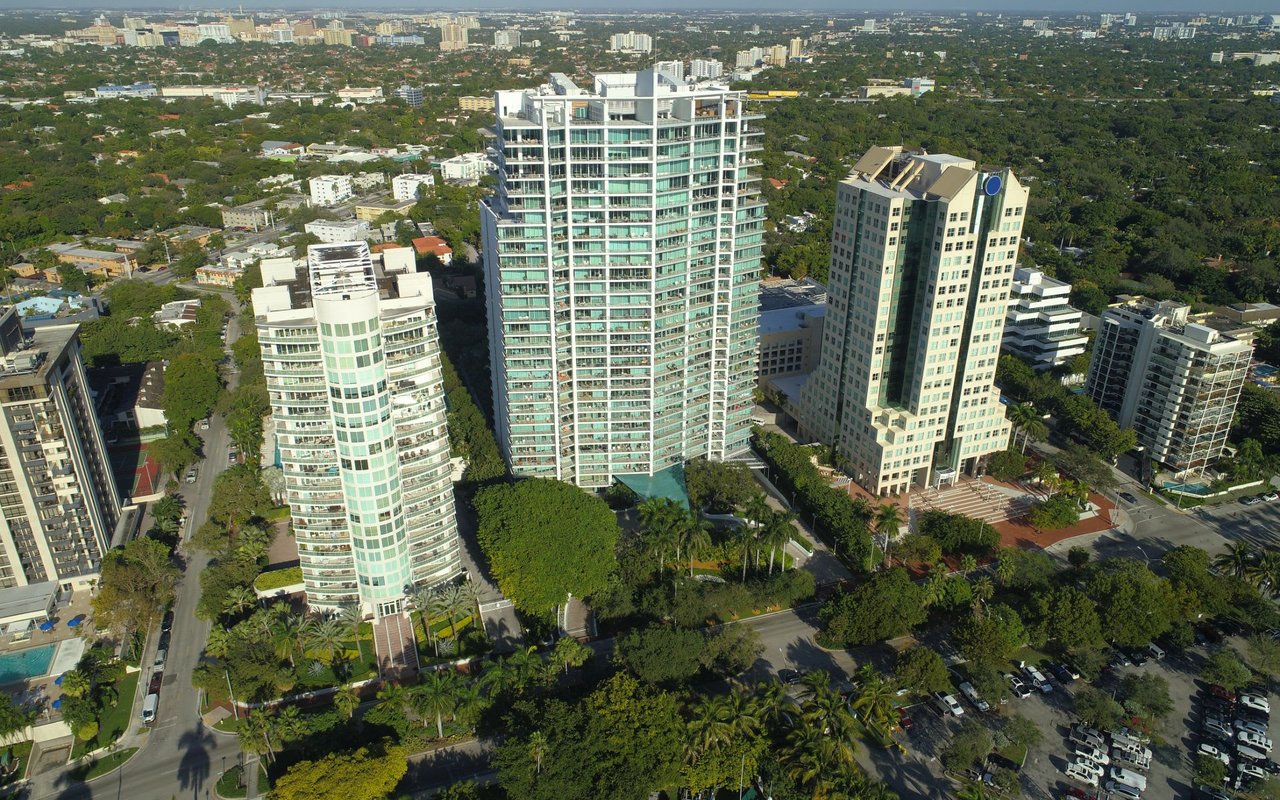
Miami has a large inventory of high‑rise condos from the 1960s through the 1990s. Many are at or past the age when recertification becomes due. Coastal exposure and humidity can accelerate wear, including concrete spalling, rebar corrosion, and waterproofing failures. When inspections uncover issues, outcomes often include phased repair plans, increased regular assessments, special assessments, or a combination. Rising costs of labor, materials, and insurance can add pressure to project budgets and timelines.
Milestone or recertification reports are typically prepared by licensed structural engineers or registered architects, sometimes with specialty consultants. Most reports include:
Start with the executive summary. If you see items flagged as immediate or life‑safety, that signals the highest urgency. These findings can trigger rapid repair timelines or restrictions on occupancy until corrected. You want to see a clear plan, funding approach, and active steps underway.
Review the sections on the frame, slabs, balconies, and façade attachments. In Miami’s coastal setting, look for mentions of corrosion, spalling, and waterproofing failures. If the report references widespread “deferred maintenance” without specific quantities or scopes, expect further investigation to refine costs.
Understand that early cost estimates are often preliminary. Budgets can rise once detailed design, permits, and contractor bids are in place. A report that recommends additional testing or design work signals remaining uncertainty. Make note of those follow‑ups and whether they have been completed.
Always confirm the report date and compare it to the building’s current status. Ask which items are completed, which are under contract, and which remain unfunded. Minutes, signed contracts, and updated budgets help verify progress.
Milestone inspections and reserve studies work together to show both condition and financial readiness. A reserve study catalogs common‑area components, estimates remaining life and replacement costs, and outlines funding plans.
A well‑reasoned reserve plan can help avoid disruptive special assessments. If reserves are underfunded relative to upcoming capital needs, expect either larger monthly assessments, special assessments, or association borrowing.
When reserves fall short, associations commonly levy special assessments or increase regular assessments. In older towers, large façade or slab repairs can be costly relative to a single unit’s value. Some associations use bank financing to spread costs, which can affect monthly dues and project eligibility for certain lenders.
Florida condominium rules require budgets and disclosures. Review the association’s most recent reserve study, current budget, and whether actual reserve contributions align with the study. Board minutes often reveal whether owners voted to adjust reserve funding, pursue loans, or plan special assessments.
Request these items during your contract review period:
Many lenders review project‑level factors such as reserve health, litigation, and recent structural findings. Some will apply stricter underwriting or decline projects with unresolved structural issues or weak reserves. Agency and government‑backed programs have specific condo project eligibility rules that can be affected by special assessments or defects. The best approach is to involve a condo‑experienced mortgage professional early and verify financing feasibility for your specific building.
Protect yourself by writing in clear review and inspection contingencies. If major negative findings surface, you can consider price adjustments, seller credits toward assessments, or an escrowed holdback for short‑term repairs where permissible. Clarify who pays assessments that are levied after contract but before closing. Because association documents and Florida law govern these obligations, engage a condo‑experienced attorney early to review disclosures and allocation language.
Milestone inspections are not a reason to avoid condos. They are a tool to help you buy the right building at the right price with eyes open to future costs. In Miami, where coastal exposure and building age are central to value, the buyers who win are the ones who request the right documents, ask the right questions, and assemble the right team early.
If you want a calm, step‑by‑step process with discreet guidance, our team is here to help you assess building risk, navigate financing, and negotiate smart protections. Connect with the Ben Moss Group to schedule a private consultation.
Ben has built his business by forming long-lasting relationships with his clients through providing diligent and analytical service, impeccable market knowledge, attention to detail and uncompromising ethical standards.
CONTACT US