How The Ben Moss Group Manages High-Mobility Moves To Miami
If your move to Miami needs to happen fast, quietly, and with very little room for error, the process matters as much as the property. You may be balancing travel, work, family, or a larger advisory team while trying to make a smart real estate decision in a competitive market. The right approach helps you narrow options quickly, protect your privacy, and stay focused on what actually fits your lifestyle. Let’s dive in.
A high-mobility move is not a typical house hunt. You may have limited time in town, multiple decision-makers, and a need for clear communication without unnecessary exposure.
That is where a structured, concierge-style process becomes valuable. The Ben Moss Group’s approach aligns with the kind of discreet, fast-paced support associated with Compass Sports & Entertainment, where timing, privacy, and coordination are central to the move.
Before showings are scheduled, the process starts with clarity. That means defining your target move date, travel windows, privacy expectations, preferred property type, and who needs to approve key decisions.
For some buyers, that means a lock-and-leave condo. For others, it means a waterfront estate, a gated single-family home, or a high-end rental that works as a short-term landing spot while a long-term purchase is finalized.
This early stage can save time later. When your priorities are clear from the start, your search is more focused, and the shortlist becomes easier to manage when you are only in Miami briefly.
A successful relocation search usually does not begin with every possible neighborhood. It starts with a smaller set of areas that match how you want to live and how you need to move through the city.
For high-mobility clients, that often comes down to a few core categories: walkable condo living, polished residential character, village-like privacy, estate-style seclusion, or coastal visibility. Miami offers all of those, but not in the same place.
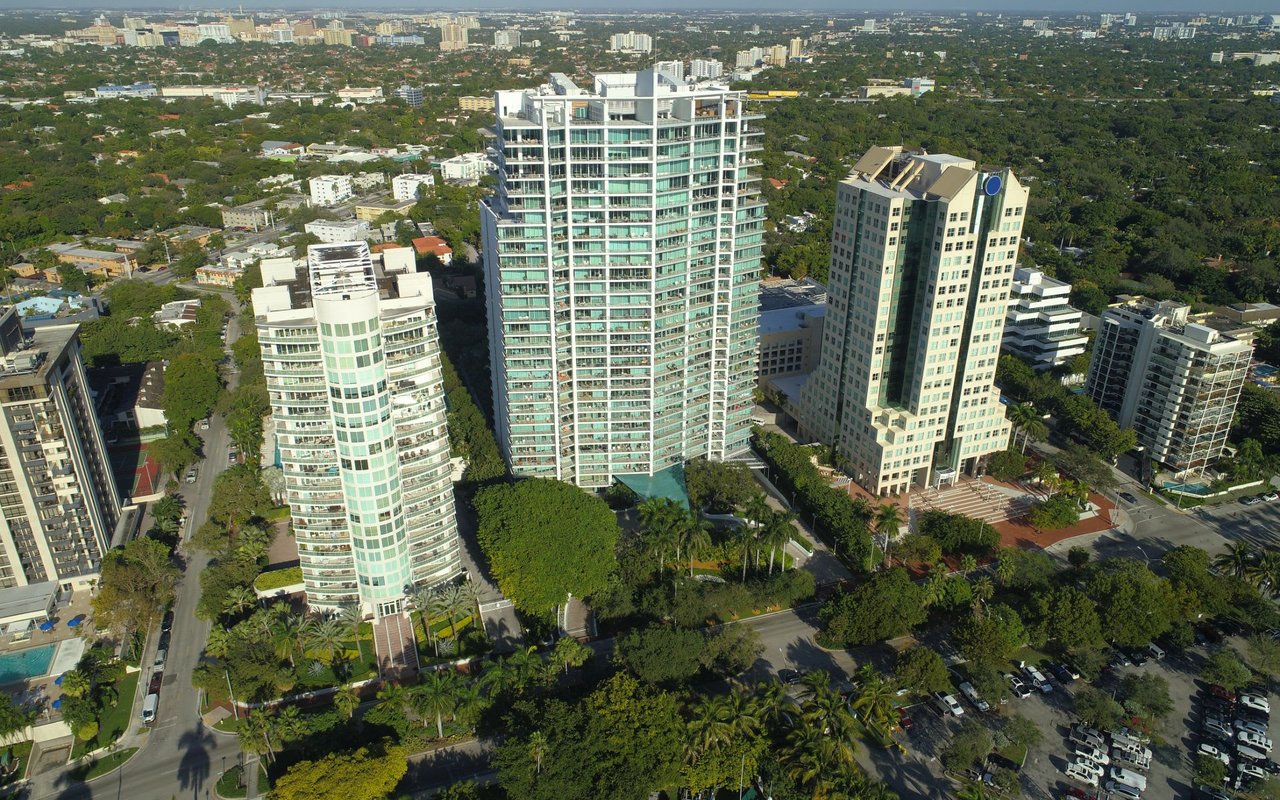
Brickell is one of the clearest choices if you want an urban base with a luxury condo lifestyle. The City of Miami notes that the Brickell trolley route connects the financial district with residential areas and parks, and the neighborhood is widely known for its walkability and proximity to downtown.
If your priority is convenience, newer towers, dining access, and a lower-friction day-to-day setup, Brickell often makes sense. It is especially practical when you want to arrive, settle quickly, and keep your home base efficient.
Coral Gables offers a more established residential setting. The city highlights its historic charm, planned-community roots, and role as home to more than 20 consulates and more than 140 multinational corporations.
If you prefer a polished environment with a classic Miami feel rather than a purely high-rise experience, Coral Gables may be a better fit. It often appeals to buyers who want a refined residential address with strong local identity.
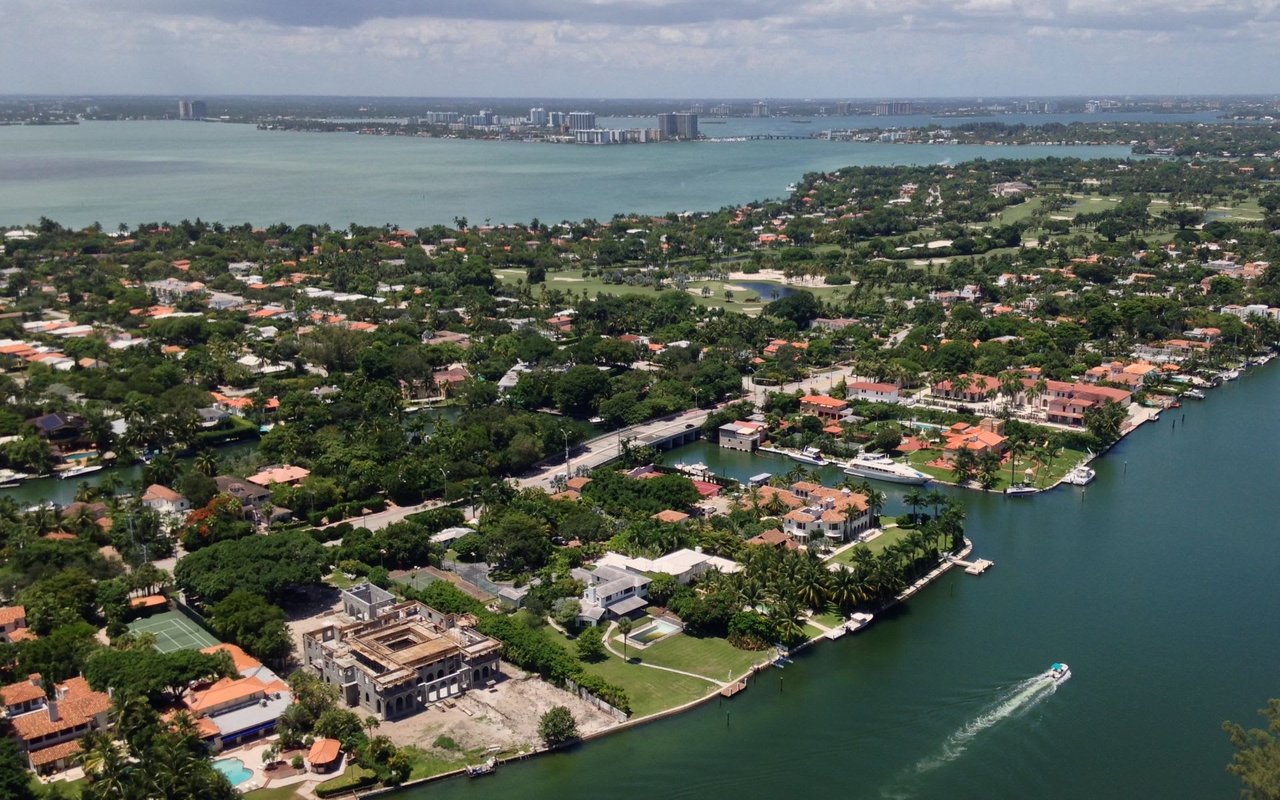
Coconut Grove is Miami’s oldest neighborhood, and local history sources describe its green space and Biscayne Bay shoreline. In practical terms, that gives the area a more relaxed, leafy, and marina-adjacent feel than many nearby neighborhoods.
If you want privacy, water access, and a setting that feels more tucked away, Coconut Grove deserves a close look. It can be a strong option when you want luxury without the constant pace of the urban core.
The Village of Pinecrest describes the area as known for tree-lined streets and large estate lots, located south of downtown Miami and Miami International Airport. That profile makes it especially relevant for buyers who prioritize space and a quieter residential environment.
If privacy is high on your list, Pinecrest may stand out. It is often better suited to estate-style living than buyers who want a dense, walkable condo setting.
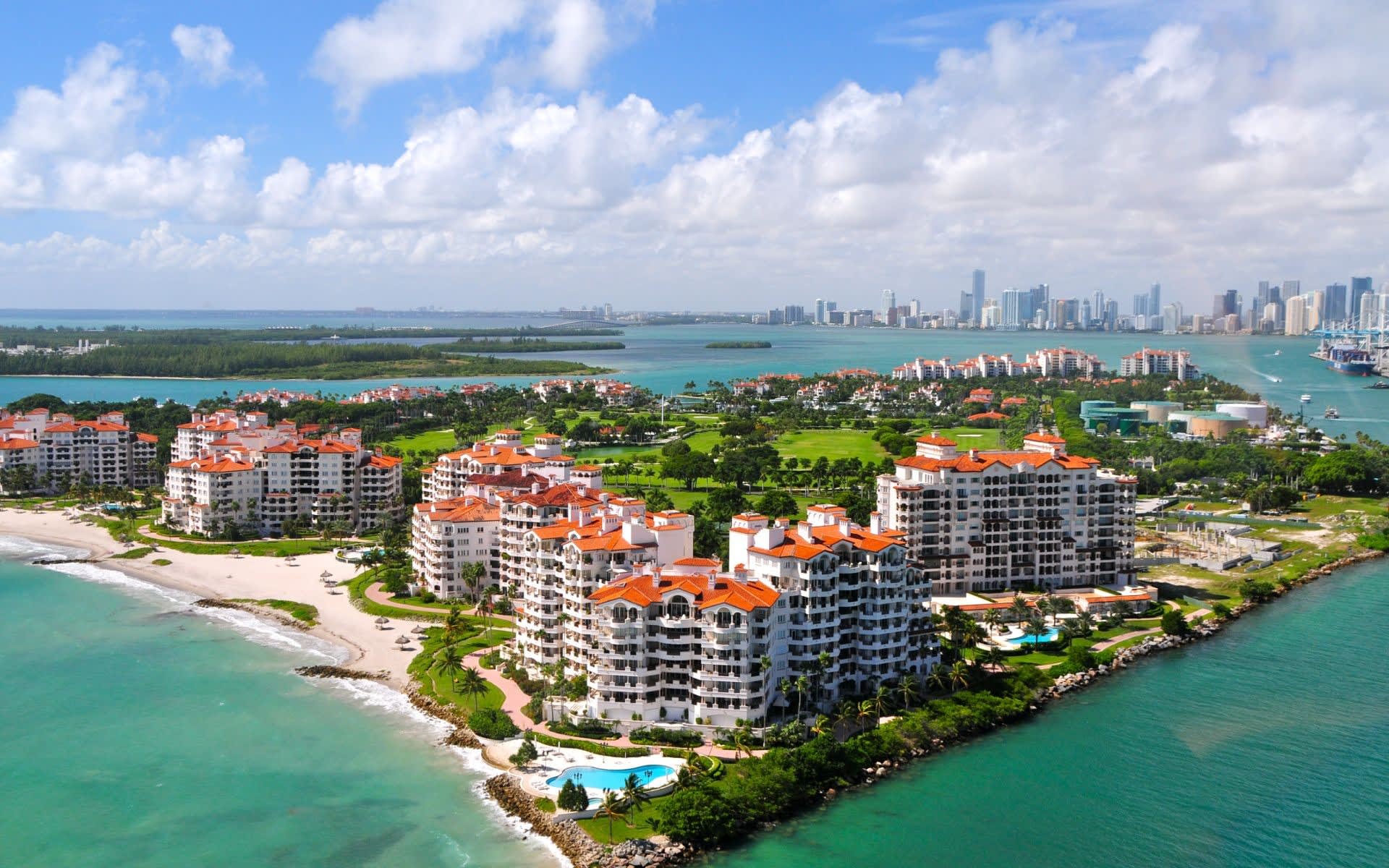
Miami Beach is a barrier-island city between Biscayne Bay and the Atlantic Ocean with more than seven miles of beaches. For buyers who want an oceanfront setting and unmistakable coastal identity, it remains a major draw.
That said, waterfront and coastal purchases often require added due diligence. Building details, flood exposure, and insurance conversations can become a more important part of your timeline here than in some inland neighborhoods.
Speed does not have to mean a rushed process. In many high-mobility moves, efficiency comes from narrowing choices early, arranging tightly scheduled tours, and using remote review when you cannot spend much time on the ground.
That may include reviewing a small number of well-matched listings, revisiting top contenders quickly, and following up fast after a short visit to Miami. The goal is not to see everything. The goal is to see the right things in the right order.
Some clients prefer a lower-profile search from the beginning. Compass Private Exclusives can support that approach by allowing listings to be shared within Compass’s agent network rather than broadly marketed to the public at the outset.
According to Compass, these properties can be viewed by agents across its network, with photos and floor plans shared only within that trusted group. For a privacy-sensitive move, that can create useful opportunities without overpromising access beyond what is actually available.
In high-stakes relocations, the real estate process rarely happens in isolation. You may have an attorney, CPA, business manager, lender, title professional, or family office involved in parts of the decision.
The brokerage role is to manage the property search, local market guidance, negotiations, and transaction execution. Legal, tax, estate, and entity questions should be handled by the appropriate professionals, which helps keep each part of the move in the right hands.
This kind of coordination is especially important when the timeline is short. A well-organized process can reduce delays and help everyone involved work from the same priorities.
A fast move still depends on a few local realities. In Miami, some of the biggest timing issues come from residency planning, condo paperwork, and coastal due diligence.
Knowing about these items early can help you avoid last-minute surprises after you are already under contract.
Florida does not impose a personal income tax, according to the Florida Department of Revenue. For many relocating buyers, that is part of the broader appeal of establishing a home base in Miami.
Still, this should stay a general point, not a personal tax strategy. If your move involves residency or tax questions, those decisions should be reviewed with your CPA or legal advisor.
If the Miami property will become your permanent residence, Miami-Dade’s Property Appraiser notes that a homestead exemption can reduce assessed value by $25,000. Beginning in the second year, it can also limit annual increases in assessed value to no more than 3%, with a filing deadline of March 1.
For buyers making a primary move, that is a useful homeowner benefit to keep in mind. It is one more reason to discuss post-close paperwork early in the process.
For resale condo purchases in Florida, buyers must receive current condominium documents, including key governing and financial materials. Florida law also provides a three-business-day cancellation window after receipt of those documents.
In a market like Brickell or Miami Beach, this matters. If you are moving quickly on a condo, the timing of document delivery and review can directly affect your decision window.
In coastal parts of Miami-Dade, flood exposure is a practical consideration. That is especially true for waterfront homes and barrier-island properties, where insurance discussions and flood map review may play a bigger role.
Bringing those questions up early helps keep the process smooth. It also gives you more time to evaluate the property on its full set of costs and considerations, not just the purchase price.
In practice, a well-managed relocation usually follows a simple arc. First comes a confidential intake, then a neighborhood-based shortlist, then a discreet and efficient search, followed by coordinated offer and closing support.
After closing, the focus shifts to practical next steps such as residency-related items, homestead timing if applicable, and any property-specific follow-through. That kind of structure helps turn a complicated move into a series of clear decisions.
For buyers who value privacy, speed, and local market depth, that process can make Miami feel much more manageable. It also helps ensure that your next home supports both your schedule and your long-term goals.
If you are planning a move that requires discretion and fast execution, the Ben Moss Group can help you build a focused Miami strategy and guide the process with calm, high-touch support.
Ben has built his business by forming long-lasting relationships with his clients through providing diligent and analytical service, impeccable market knowledge, attention to detail and uncompromising ethical standards.
CONTACT US