In-Depth Brickell Preconstruction Condos Guide for Buyers
Are you eyeing a flagship tower in Brickell and wondering how preconstruction actually works? If you are buying in Miami for the first time or from out of town, the steps, deposits, and timelines can feel unclear. This guide breaks down what to expect from reservation to closing, how deposits are handled, where assignments fit in, and how to protect your interests. Let’s dive in.
Buying a preconstruction condo is a staged process. You start by reviewing floor plans and pricing, then move from a short reservation to a binding Purchase and Sale Agreement, with deposits posted along the way. Construction can span multiple years, and closings typically happen when the building receives a Certificate of Occupancy. Throughout, clear contract terms and escrow protections are essential.
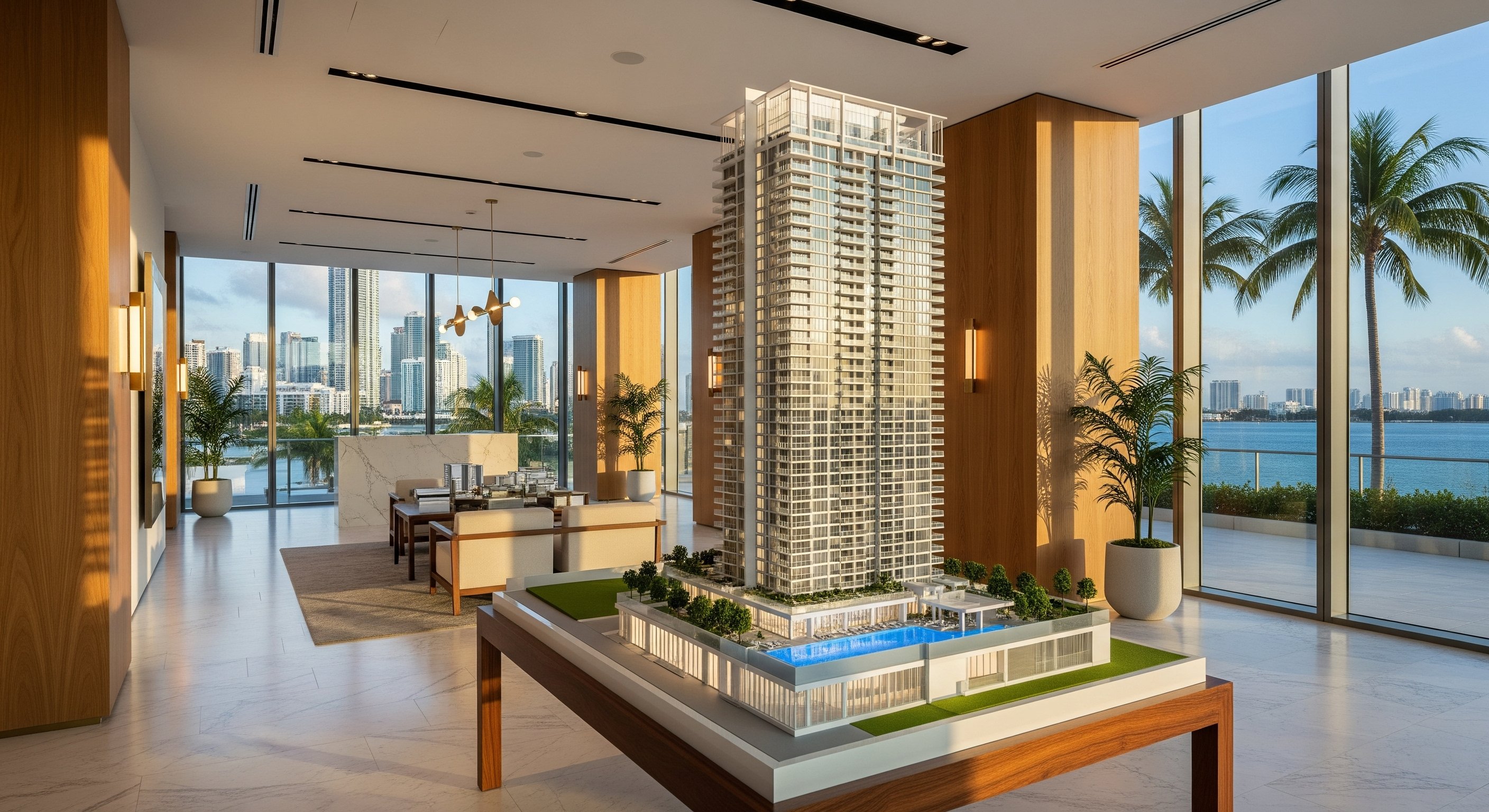
You visit the sales center to review floor plans, finishes, amenities, and pricing tiers. Developers often show model units and polished renderings to support early sales.
A reservation or hold agreement temporarily removes your unit from general availability while the full contract is prepared. Expect a small reservation fee and a short deadline to sign the Purchase and Sale Agreement. Confirm how refunds work if you do not move forward.
The Purchase and Sale Agreement (P&S) is the binding contract. It defines price, deposit schedule, contingencies, construction specs, estimated completion, warranties, assignment rights, and closing mechanics. You should have a Florida real estate attorney review this agreement.
After signing the P&S, staged deposits are due per the contract and held in escrow or trust. The agreement should specify who holds funds, where they are held, and when refunds apply.
During construction, developers finalize the condominium declaration, bylaws, budget, and offering materials. Florida Statutes, Chapter 718, governs how condominiums are created, offered, and administered.
As the building nears completion, the municipality may issue a Temporary Certificate of Occupancy (TCO) or a final Certificate of Occupancy (CO). Some contracts permit closing after a TCO, while many lenders require a final CO. This detail should be clear in your P&S.
A reservation is preliminary. It lists your unit, the fee, and a deadline to execute the P&S. It does not create a binding purchase until you sign the P&S. Ask whether the fee is refundable if you decide not to proceed.
The P&S sets the legal framework. Key items include the deposit schedule, estimated completion date, allowed extensions, contingencies, assignment rights, warranties, and closing requirements. It also governs remedies if either party defaults or if there are delays.
Deposit structures vary by building, but common patterns include a small reservation fee, an initial deposit at contract, and staged progress deposits during construction, with the balance due at closing. In Brickell luxury towers, total buyer equity posted before closing can range widely, with some projects totaling 20 to 50 percent. Exact schedules are project specific and set by the developer.
Where deposits are held matters. The P&S should name the escrow or title company, outline refund triggers, and explain if interest accrues. If a project is canceled, refund terms and timelines should be documented. Clear escrow instructions help reduce risk if a developer faces financial stress.
Buyer protections to confirm:
High-rise construction in Miami’s urban core can be complex. Permitting and inspections flow through Miami-Dade County processes for tall towers. Financing, supply chains, labor availability, and weather, including hurricane season, can all affect schedules.
A TCO can allow occupancy of certain floors while final items are finished. Many lenders require a final CO to fund mortgages, while some may accept a TCO with conditions. Confirm your lender’s policy early and ensure your P&S reflects how closing will work.
Large Brickell towers often take 24 to 48 months from groundbreaking to a CO, sometimes longer. Contracts may allow extensions for causes like permitting delays or severe weather and may limit damages to liquidated amounts. Plan for possible delays by building in time for financing extensions and estimating carrying costs such as taxes, association deposits, insurance, and interim housing if needed.
An assignment transfers your rights under the P&S to another buyer before closing. The new buyer steps into your position under the contract, subject to the assignment language in your agreement.
Some contracts allow assignments, others require developer consent and may charge an assignment fee or reserve a right of first refusal. Timing limits are common, for example restricting assignments after certain milestones. The assignee may need to provide identification and proof of funds.
A strong team helps you navigate contracts, escrow, and timelines.
If you are exploring a Brickell preconstruction opportunity, start by clarifying your deposit comfort level, funding timeline, and exit options. Ask for the draft P&S and offering documents as early as possible, and align your lender’s requirements with the contract’s closing conditions. A coordinated plan helps you secure the right unit while managing risk.
Ready for a confidential, step-by-step strategy? Connect with the Ben Moss Group to review specific buildings, deposit schedules, and contract terms before you commit.
Ben has built his business by forming long-lasting relationships with his clients through providing diligent and analytical service, impeccable market knowledge, attention to detail and uncompromising ethical standards.
CONTACT US