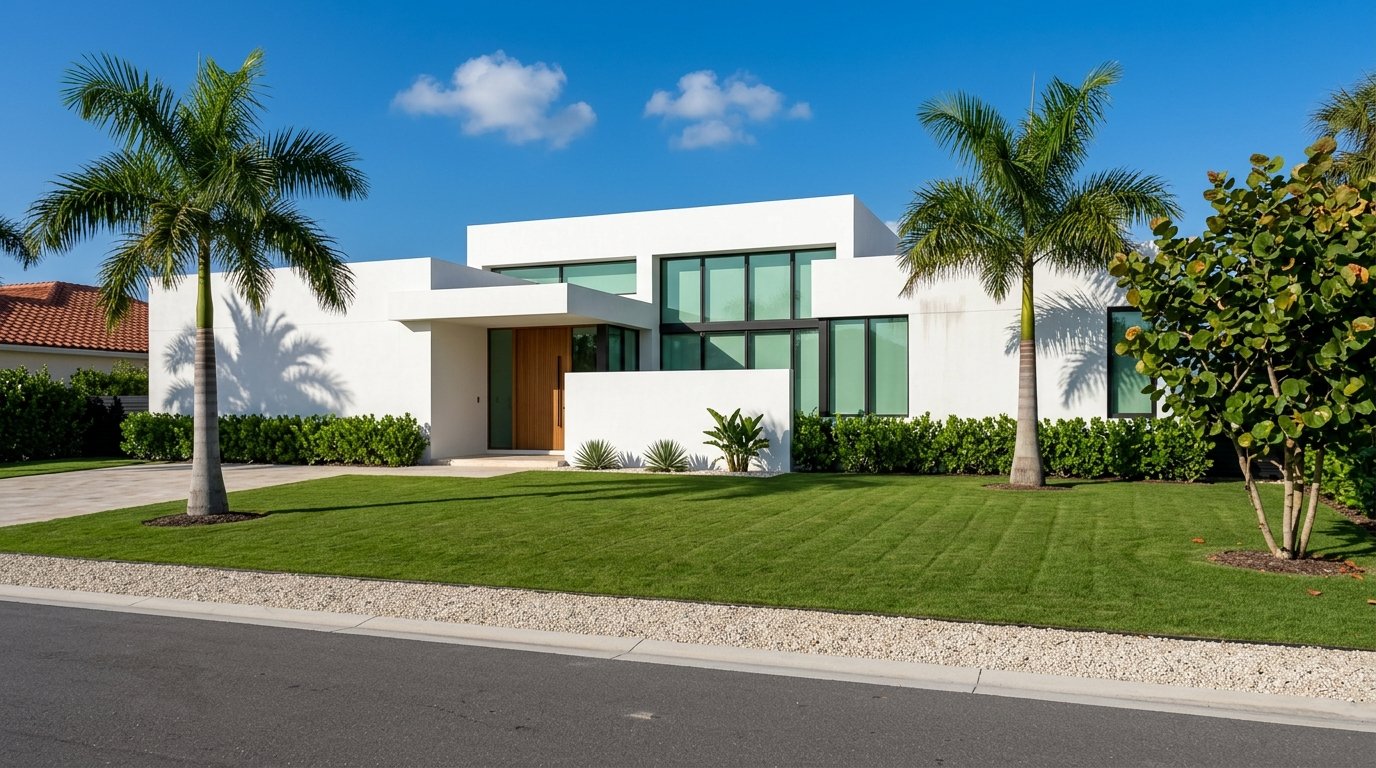
A Broward Coastal Lifestyle Overview for Miami Buyers
Thinking about moving north without losing your South Florida rhythm? If you live in Miami or are relocating to the region, Broward’s coastal communities offer a surprisingly wide range of lifestyles within the same broader shoreline network. From marina-centered waterfront areas to walkable beach districts and quieter residential stretches, this corridor gives you real options depending on how you want to live. Let’s dive in.
Broward County’s Atlantic edge sits in the same connected South Florida coastal corridor as Miami. Visit Lauderdale describes Broward as positioned between Miami and Palm Beach, with a beach corridor that runs from Hallandale Beach and Hollywood in the south through Fort Lauderdale and north to Deerfield Beach. The county also notes 24 miles of beaches and access through Brightline and other transit options.
For you as a Miami-based buyer, that matters because the move does not have to feel like a major lifestyle reset. You can stay connected to the region’s rail, road, airport, and waterfront networks while choosing a different pace, setting, or housing style. In practical terms, Broward can feel like an extension of your search rather than a separate market universe.
The best way to explore Broward from a Miami base is to focus less on county lines and more on daily life. Some communities lean into boating and dock access, some center around beach promenades and restaurants, and others feel quieter and more residential. The right fit depends on what you want most when you step outside your front door.
If you are comparing options, start with a few simple questions:
Hallandale Beach is the southernmost coastal stop in Broward and often the easiest first look for Miami-based buyers. The city marina sits on the Three Islands Waterway and includes annual and transient slips, pump-out facilities, and park amenities. The city’s beach parks emphasize direct beach access, tropical scenery, and outdoor activity.
From a lifestyle standpoint, Hallandale works well if you want a north-of-Miami coastal option that still feels plugged into the broader metro area. It reads more like a resort-and-waterway gateway than a traditional boardwalk town. If you want convenience and waterfront elements without going far, this is a logical place to begin.
Dania Beach presents a very practical mix of beach, marina, and travel access. The city highlights its beach, pier, and marina setting, along with dining and nightlife directly on the beach. Ocean Park Beach also connects to the Atlantic and the Intracoastal Waterway by way of Whiskey Creek.
For frequent flyers or buyers who value mobility, Dania stands out because the marina sits just minutes from Fort Lauderdale-Hollywood International Airport and south of Port Everglades inlet. That makes it one of the most functional choices for people balancing business travel, boating, and coastal living. If your schedule is busy and your home base needs to work hard for you, Dania deserves a serious look.
Hollywood Beach offers one of the most recognizable coastal experiences in Broward. The Hollywood Beach Broadwalk stretches nearly 2.5 miles along the Atlantic, and the city maintains nearly five miles of sandy shoreline. Official city materials also point to beachfront restaurants, bars, live music, water sports, and local shuttle services connecting the beach and downtown.
If you want beach culture with built-in convenience, Hollywood fits that profile well. It gives you an active waterfront environment without losing access to everyday services and movement between districts. For many Miami-based buyers, that balance can feel familiar in the right ways while still offering a different coastal atmosphere.
If boating is high on your list, Fort Lauderdale is the clearest headline community in the corridor. The city reports 165 miles of navigable waterways and seven miles of beaches. Its public marine facilities include Las Olas Municipal Marina, the New River/Downtown Docking Facility, and Cooley’s Landing Marina.
This is where Broward’s waterfront identity becomes most visible. Fort Lauderdale combines marina infrastructure, a true city-beach setting, and dining and shopping around Las Olas Boulevard. If you want a coastal lifestyle tied closely to yachting, dock-and-dine convenience, and an urban waterfront environment, Fort Lauderdale often becomes the center of the conversation.
Fort Lauderdale tends to appeal to buyers who want options. You can spend time on the water, meet friends for dinner near Las Olas, and still have a traditional beach day without leaving the city. That mix makes it especially relevant for professionals, relocating executives, and buyers who want waterfront living with a fuller city backdrop.
It is also useful if you are comparing Miami neighborhoods against nearby alternatives. The appeal here is not that it replaces Miami. It is that it delivers a distinct boating-forward coastal experience within the same South Florida ecosystem.
Lauderdale-By-The-Sea offers one of the clearest small-town contrasts on the Broward coast. Visit Lauderdale says the town is just under one square mile and stretches about six blocks from the Intracoastal to the Atlantic, with 2.5 miles of beachfront. The town also promotes shore-access coral reefs within 100 yards of the beach, plus sites like Anglin’s Pier Reef and the Shipwreck Snorkel Trail.
If you want a walkable, village-style beach setting, this community stands out. The appeal is not scale or skyline. It is simplicity, beach access, and a lower-rise coastal feel that can be hard to find in denser parts of South Florida.
Pompano Beach has evolved into a broader lifestyle hub anchored by the Fisher Family Pier and Fishing Village. The city describes this as a six-acre beachfront destination with restaurants, shops, parking, and a free on-demand shuttle. Visit Lauderdale also highlights warm Gulf Stream-influenced water, shore-access reefs, and Shipwreck Park.
Pompano is especially compelling if your ideal routine includes more than one activity. You have beach access, fishing, diving, and two public 18-hole golf courses at the city golf complex. For buyers who want an active coastal lifestyle without choosing just one theme, Pompano offers a strong mix.
Deerfield Beach is often a fit for buyers who want a quieter beach setting that still has activity. Visit Lauderdale describes it as laid-back and village-like, with cove-style beaches, oceanfront restaurants and shops, and the 976-foot International Fishing Pier. The city also notes a one-mile lifeguarded beach and year-round beach safety presence.
This is a good option if you are drawn to a pier town atmosphere with a little more breathing room. It stays active, but the tone is softer than some of the busier coastal hubs farther south. Nearby Quiet Waters Park also adds marina and inland water activity to the overall lifestyle picture.
Hillsboro Beach sits on a three-mile peninsula between the Intracoastal Waterway and the Atlantic Ocean. Visit Lauderdale describes one main road, Hillsboro Mile, along with beach, lighthouse views, and sea-turtle habitat. The overall feel is quieter and more residential than a classic beachfront district.
If you are looking for a more private coastal setting, Hillsboro Beach belongs on your list. This area is less about promenade energy and more about shoreline, water views, and a quieter daily pace. For some buyers, especially those leaving a faster-moving urban routine, that difference is exactly the point.
Lighthouse Point complements the northern end of the corridor with a strong canal and boating identity. The city describes itself as opening to the Intracoastal, with 18 miles of waterways and direct ocean access for boats. That supports a lifestyle centered on docks, canal-front living, and time on the water.
For waterfront buyers, Lighthouse Point can be an appealing alternative to more tourism-oriented beach districts. The emphasis here is residential water access rather than a classic public beachfront environment. If your search is really about boating and a quieter home base, this area can make a lot of sense.
When you step back, Broward’s coast is best understood as a ladder of different beach experiences. You are not choosing one generic shoreline. You are choosing between several distinct ways to live near the water.
Here is a simple way to think about it:
This framework can save you time. Instead of touring every beach town with the same expectations, you can narrow your search around how you actually want to spend your week.
For many buyers, the move from Miami into Broward’s coastal communities is less about leaving something behind and more about refining priorities. You may want easier boating access, a calmer waterfront setting, a more walkable beach district, or better alignment with your travel schedule. Broward gives you room to make that adjustment without losing connection to the larger South Florida market.
That is especially relevant if your move involves privacy, timing, or multiple decision factors. A thoughtful search can help you compare not just homes, but also mobility, daily convenience, and the type of coastal environment that fits your long-term plans. In a connected market like South Florida, those details shape the experience as much as the property itself.
If you are weighing Broward’s coastal options from a Miami base, the right guidance can make the process far more efficient. The Ben Moss Group offers private, relationship-driven advisory support for buyers navigating South Florida moves with clarity, discretion, and a strong understanding of how lifestyle and real estate intersect.
Ben has built his business by forming long-lasting relationships with his clients through providing diligent and analytical service, impeccable market knowledge, attention to detail and uncompromising ethical standards.
CONTACT US