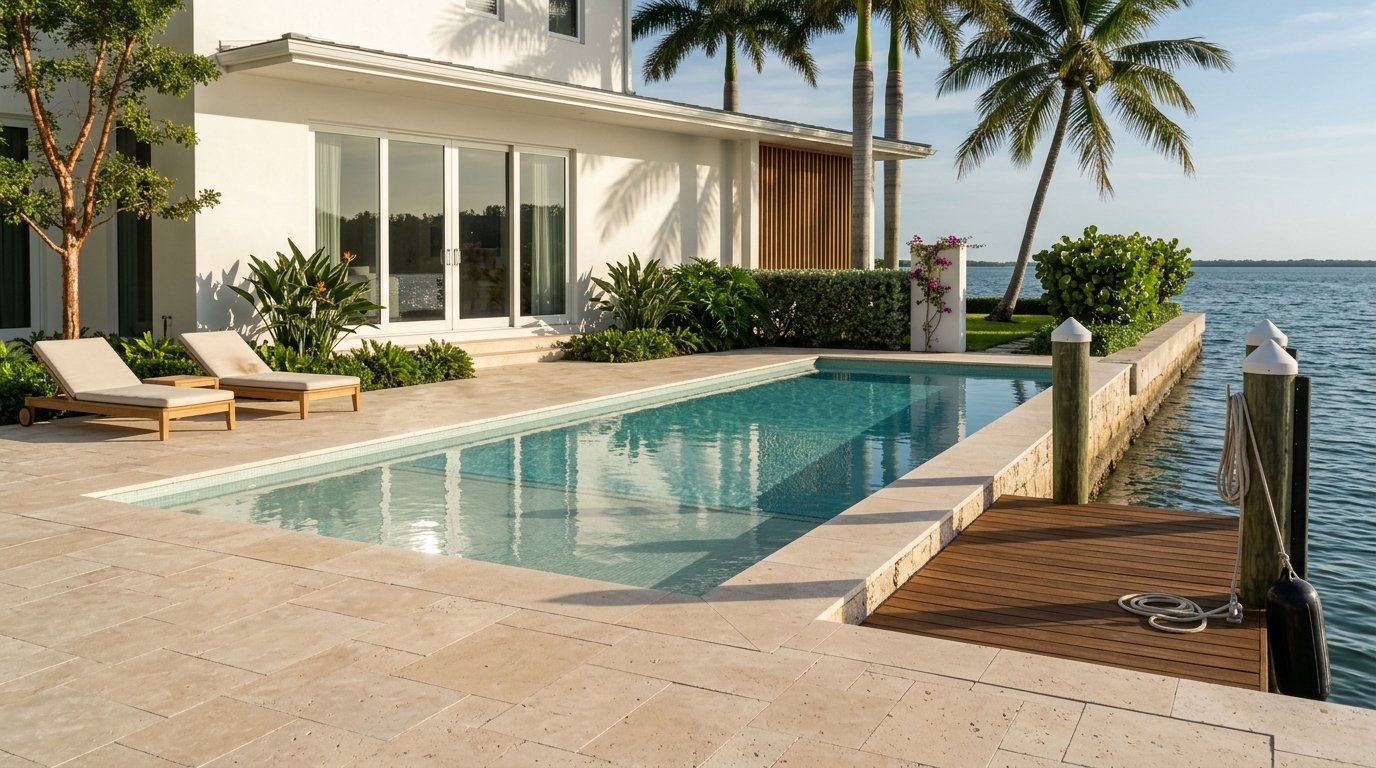
How Coconut Grove’s Outdoor Lifestyle Shapes Daily Life
If you picture Coconut Grove as just another bayfront neighborhood, you miss what makes it feel different. The Grove’s outdoor lifestyle is not built around one park or one marina. It works as a connected network of green space, waterfront access, trails, and village streets that shape how you spend your day. If you are trying to understand what living here actually feels like, this guide will walk you through the parks, marinas, and outdoor patterns that define Coconut Grove. Let’s dive in.
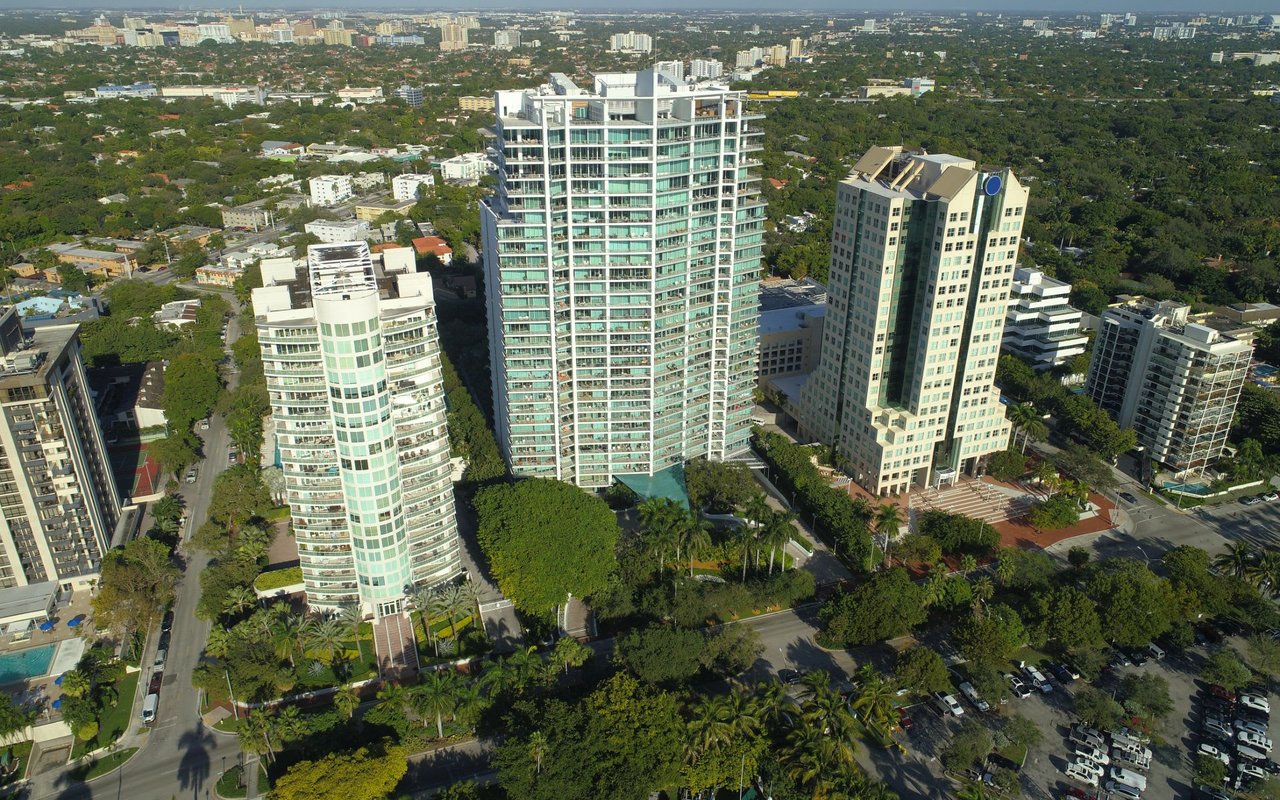
Coconut Grove’s outdoor identity is not accidental. City zoning and planning documents specifically prioritize tree canopy, green space, bay views, public open space, recreational opportunities, and tropical vegetation. In other words, the neighborhood’s lush and walkable feel is part of its official planning framework.
That matters because the Grove reads as a place where the landscape is central to daily life. The city also describes the waterfront here as a human-scaled coastal recreational area with strong pedestrian connectivity. That helps explain why the neighborhood feels tied to the bay even when you are not directly on the water.
The Grove is not one uniform pocket of Miami. Miami’s planning framework divides the area into North Grove, Center Grove, South Grove, and Village Center, with nearby NCD-2 closer to Douglas Road and Charles Avenue. Each part connects a little differently to parks, marinas, and village activity.
For many buyers, this is one of the most useful ways to understand the neighborhood. North and Center Grove align more closely with the waterfront and the village core. South Grove tends to feel quieter and more residential, while West Grove carries a distinct heritage backdrop with Caribbean-island immigration roots and Bahamian influence noted in city planning materials.
Coconut Grove’s park system supports both active and low-key outdoor time. Instead of relying on one signature destination, the neighborhood offers several gathering spots that serve different routines. That variety is part of what makes the outdoor lifestyle here feel easy and consistent.
Peacock Park at 2820 McFarlane Road is one of the clearest examples of how residents use outdoor space in the Grove. The city lists grills, picnic tables, a baseball field, a playground, basketball courts, and eParks computer-lab amenities. That mix makes it a practical place for casual weekends, playtime, and everyday meetups.
Its location also supports the village feel that many buyers want in Coconut Grove. You can think of Peacock Park as one of the neighborhood’s social outdoor anchors, especially if you value access to open space near the center of activity.
David T. Kennedy Park at 2400 South Bayshore Drive adds another layer to the neighborhood’s outdoor appeal. The city identifies it as Coconut Grove’s designated dog-park location, and waterfront planning documents describe it as a passive recreation park with boardwalks and bay views. Families can picnic nearby while staying close to the water.
If you want outdoor access without needing a formal plan, this is a good example of the Grove’s lifestyle advantage. It is easy to spend time here for a walk, time with your dog, or a relaxed stop by the bay.
The Barnacle Historic State Park at 3485 Main Highway offers a different pace. The state park describes it as a bayfront historic site kept largely in its natural state, with picnic use, outdoor concerts, dog walking on the path, and sailboat watching from the grounds. It gives this part of Coconut Grove a quieter, more traditional Old Florida feel.
For buyers who want greenery and waterfront atmosphere without a busier park setting, The Barnacle stands out. It reflects a side of the Grove that feels shaded, layered, and rooted in the area’s historic landscape.
City planning materials also identify Kenneth Myers Bayside Park as a Coconut Grove destination. That reinforces an important point about the neighborhood. The outdoor story here is not limited to Peacock Park and Kennedy Park.
Instead, Coconut Grove offers a broader network of parks and public waterfront spaces. This makes the neighborhood feel connected rather than dependent on a single amenity.
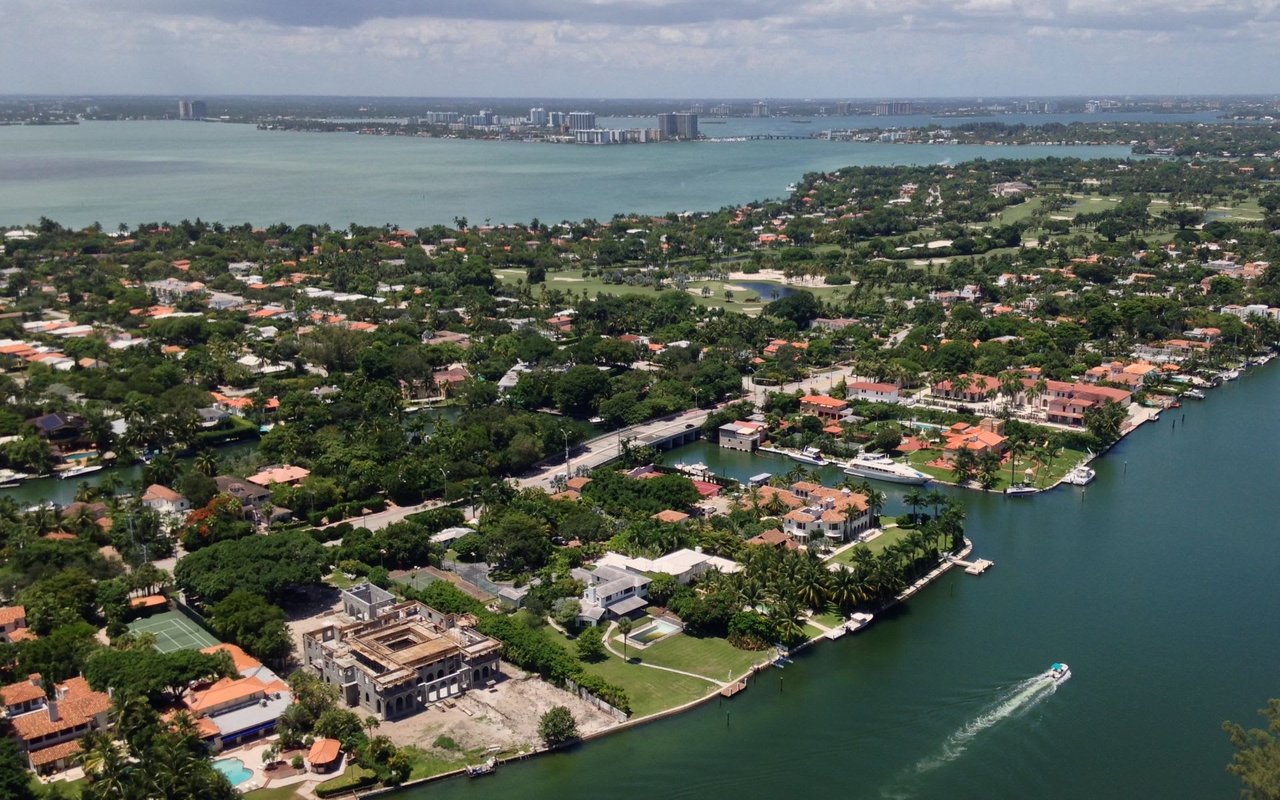
One of Coconut Grove’s defining features is that the waterfront is not just scenic. It is functional. The marina system brings boating, promenade activity, and everyday village life into close contact.
Dinner Key Marina at 3400 Pan American Drive is the area’s main marina hub. The city describes it as a 582-slip wet marina serving transient, long-term, commercial, and liveaboard boaters. That scale makes it a major part of the Grove’s waterfront identity.
What stands out is how closely this marina connects to the neighborhood around it. The city notes that a short walk reaches the heart of Coconut Grove village and CocoWalk. That means waterfront access here is tied to dining, errands, and daily movement, not just boating.
Offshore, the city-managed Dinner Key mooring facility provides 225 vessel moorings. Support services include a harbormaster office, restrooms, showers, laundry, dinghy dock access, shuttle service, and parking.
This setup reinforces Coconut Grove’s role as an active working waterfront for recreation and liveaboards. Even if you are not a boater, that activity shapes the feel of the area and helps explain why the bay remains such a visible part of neighborhood life.
Waterfront planning documents describe the Dinner Key and Regatta Park area as a concentrated working waterfront for recreation, education, and liveaboards. The same plans call out a continuous waterfront promenade, plazas, piers, and water-related services. They also describe improved connections to the Spoil Islands, including water taxi access.
For residents, this matters because it expands what bay access can mean. You do not have to own a boat to enjoy the waterfront character. The planning focus supports public use, views, and movement along the shoreline.
Coconut Grove’s outdoor lifestyle works especially well because many of its amenities connect to one another. You are not moving between isolated destinations. The trail and roadway system helps link parks, waterfront spaces, and the village core.
The city’s waterfront master plan says the path system links Peacock Park to Kennedy Park along South Bayshore Drive. That corridor helps create one of the Grove’s most recognizable outdoor patterns. You can move from one park to another while staying close to the bay.
This kind of connection changes how a neighborhood feels day to day. It supports morning runs, evening walks, and simple time outdoors without needing to drive from stop to stop.
The Commodore Trail is another key part of the story. Miami’s Bicycle Master Plan describes it as an alternative for recreational bicyclists along sections of Bayshore Drive and Main Highway toward South Grove. It also connects waterfront parks to Center Grove and the civic core.
That gives residents a practical way to experience the neighborhood beyond a single block or building. For buyers who value mobility and outdoor routine, this is one of Coconut Grove’s strongest advantages.
City trolley materials support the same pattern of connected movement. They list Kennedy Park, City Hall, Regatta Park, Kenneth Myers Bayside Park, CocoWalk, and Douglas Road Metrorail as Coconut Grove destinations.
Taken together, the trails, waterfront paths, and trolley access help make the Grove more flexible in daily life. You can enjoy many of its core outdoor and village amenities without relying entirely on a car.
If lifestyle is part of your home search, Coconut Grove offers more than a pretty waterfront setting. Its park network, marina infrastructure, and trail connections create a neighborhood where outdoor access becomes part of your normal routine. That can influence how you evaluate location, convenience, and long-term enjoyment of a home.
It also means different parts of the Grove may suit different priorities. If you want closer ties to the waterfront and village core, North Grove and Center Grove may stand out. If you prefer a quieter setting, South Grove may feel like a better fit, while West Grove adds a distinct cultural and historical backdrop.
For buyers looking at Miami neighborhoods through a lifestyle lens, Coconut Grove’s strength is how naturally these pieces fit together. The result is not just access to parks or marinas. It is a daily rhythm shaped by shade, open space, and the bay.
If you are considering a move in Coconut Grove and want guidance rooted in neighborhood detail, the Ben Moss Group can help you evaluate the locations, property types, and lifestyle tradeoffs that matter most.
Ben has built his business by forming long-lasting relationships with his clients through providing diligent and analytical service, impeccable market knowledge, attention to detail and uncompromising ethical standards.
CONTACT US