Coconut Grove Waterfront Vs Inland Homes: How To Choose
Choosing between a waterfront home and an inland home in Coconut Grove sounds simple until you start weighing how you actually want to live. You may be drawn to bay views, boating access, and marina energy, or you may prefer shaded streets, a quieter residential feel, and easier day-to-day convenience. The right choice usually comes down to lifestyle, maintenance, and how each location fits your priorities. Let’s dive in.
Coconut Grove is not a one-note neighborhood. City and tourism materials describe it as bayside, tree-shaded, and deeply connected to boating, parks, and a walkable village core with destinations like Dinner Key Marina, Peacock Park, David T. Kennedy Park, Regatta Park, CocoWalk, Vizcaya, and The Barnacle.
That mix matters when you compare waterfront and inland homes. Some addresses put you closer to Biscayne Bay and marina life, while others place you on leafy residential streets shaped by the neighborhood’s historic character and tree canopy. In practice, different pockets of the Grove support very different routines.
The City of Miami’s Coconut Grove NCD-3 overlay reinforces that identity. It aims to preserve the area’s historic, landscaped residential character, green space, and architectural variety, while also recognizing the importance of bay views, public open space, recreation, and commercial services.
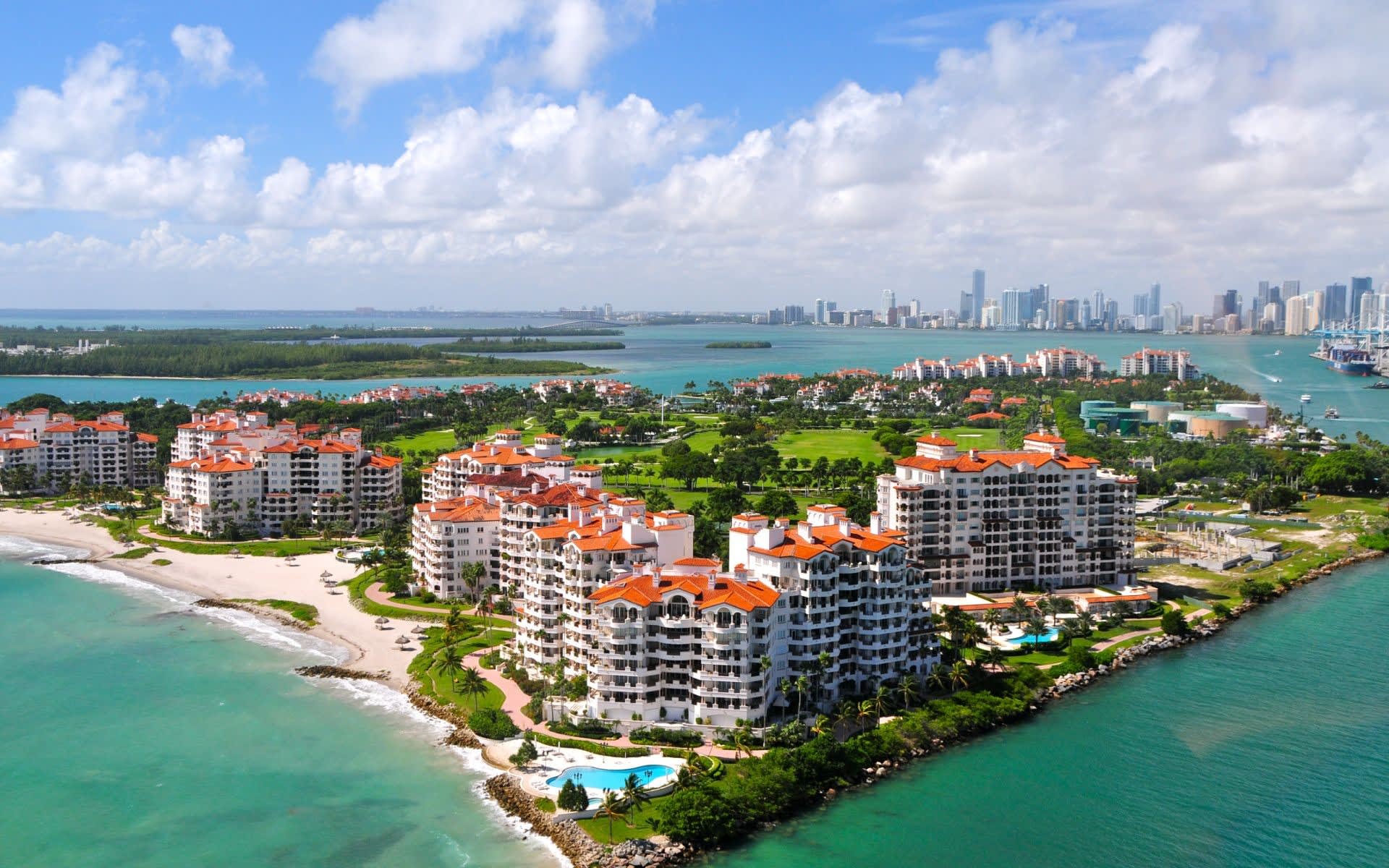
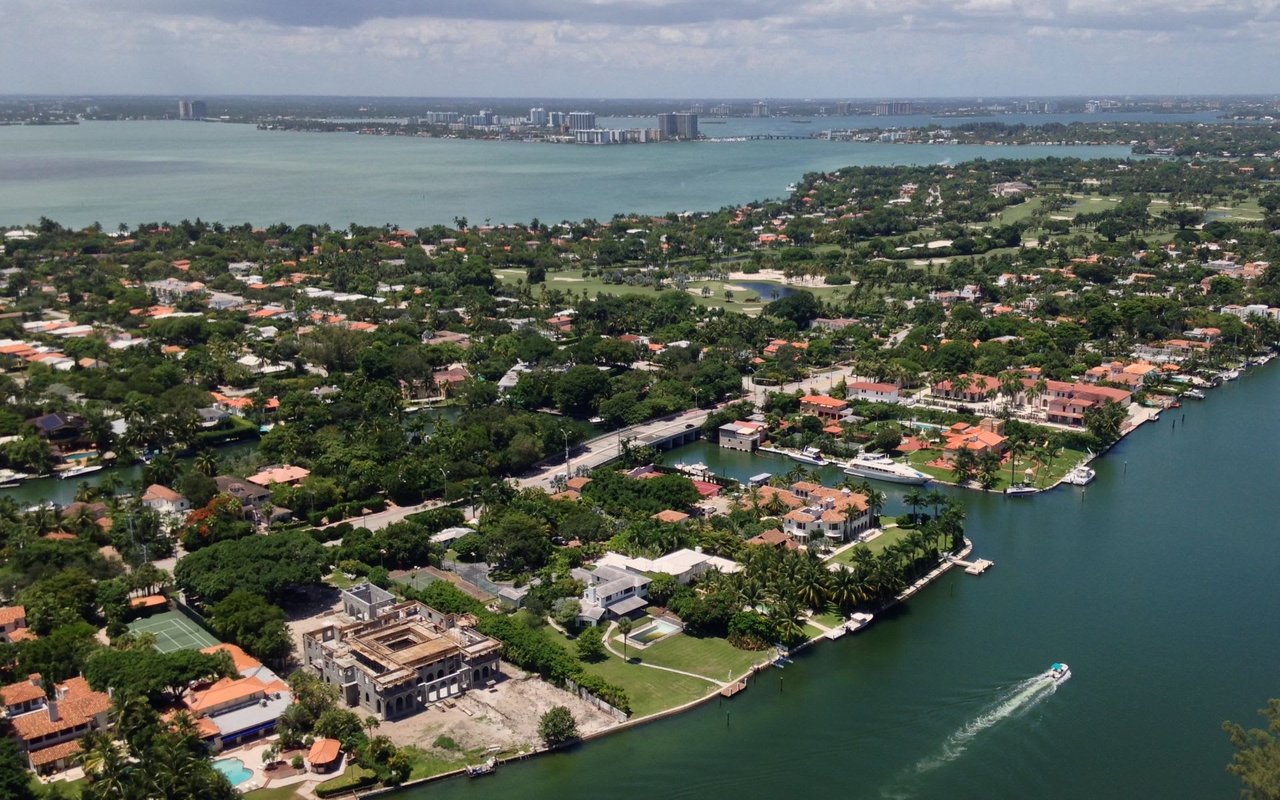
Waterfront and bay-adjacent homes in Coconut Grove are concentrated along Biscayne Bay and the neighborhood’s coastal edges, including the Dinner Key, Peacock Park, and Kennedy Park waterfront area. These locations are closely tied to the water-oriented identity many buyers picture when they think of the Grove.
For boating-focused buyers, this part of the neighborhood has a clear draw. Dinner Key Marina includes 587 wet slips and 250 moorings, and the City says it is just a short walk from the heart of Coconut Grove village.
The waterfront mix also includes more than single-family estates. City records identify communities such as Grove Isle, Yacht Harbour, The Cloisters on the Bay, Grove Towers, and Two Park Grove Condominium, which means your decision may involve not only location, but also building style and ownership structure.
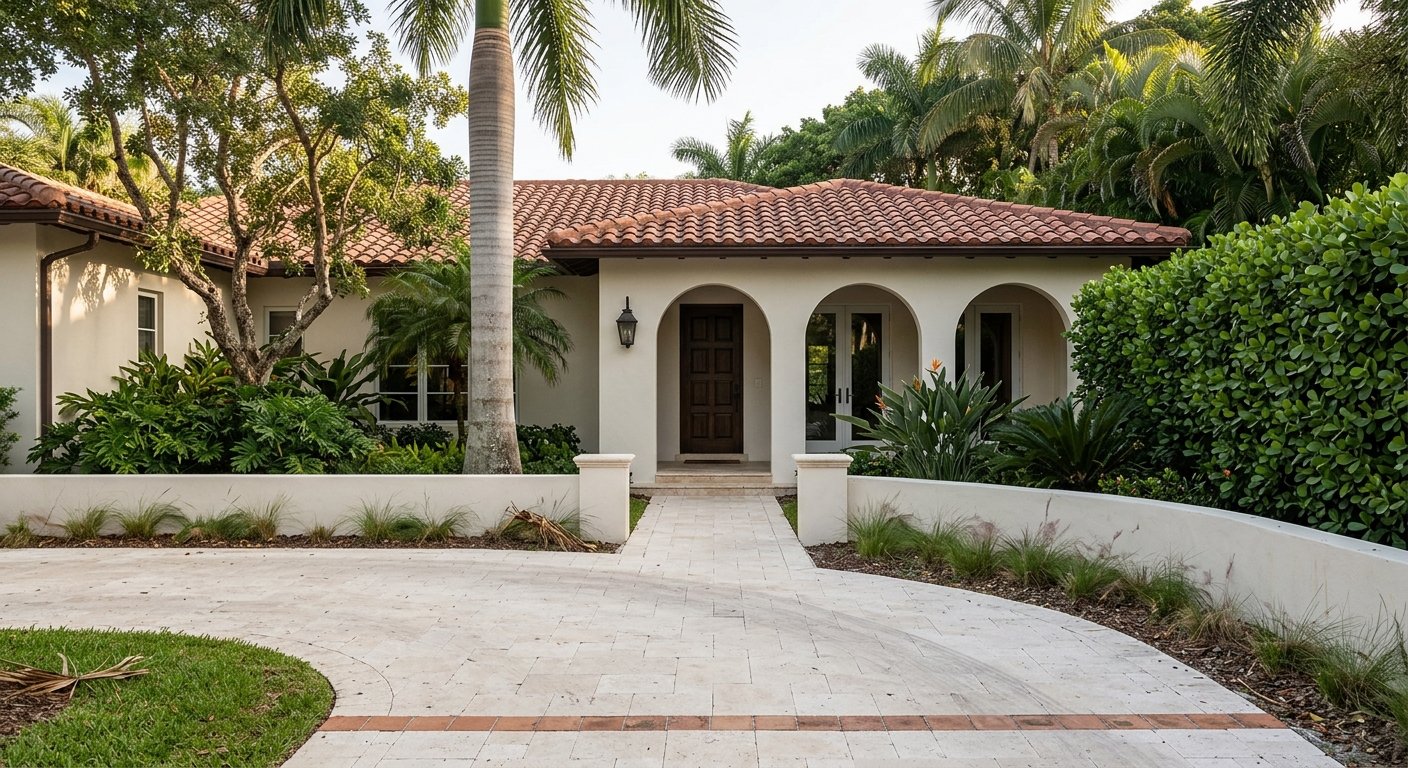
Inland Coconut Grove is shaped more strongly by the NCD-3 single-family residential district. The code is designed to protect low density, preserve dominant tree canopy, limit height to 25 feet, and require front yards with abundant landscaping.
Some inland sections also preserve a larger-lot pattern. In the large-lot designation, the code requires a minimum lot size of 10,000 square feet and a minimum lot width of 100 feet.
For you as a buyer, that often translates into streets that feel more shaded, screened, and residential. Inland does not mean disconnected, though. Depending on the address, you may still be close to the village core, parks, and transit connections.
Your first question should be simple: what matters more in your daily life? If you want boating, open bay views, and a stronger connection to waterfront parks and sailing culture, waterfront living may be the better fit.
Miami’s tourism materials describe Coconut Grove as Miami’s center of sailing, with sailboats moored offshore and active waterfront gathering spots like Peacock Park and David T. Kennedy Park. That makes the bay edge especially appealing if your weekends and social life revolve around the water.
If you care more about errands, dining, and a walkable day-to-day rhythm, inland homes near the village may deserve a closer look. The Grove’s compact layout makes shopping easier, and the City trolley route serves parks, shopping areas, City Hall, Bayside Park, Armbrister Park, Grove Central, and the Coconut Grove and Douglas Road Metrorail stations.
In other words, you do not have to live on the shoreline to enjoy a highly connected Coconut Grove lifestyle. Some inland addresses may actually support your routine better if you want to be near the village core rather than directly on the bay.
Waterfront homes often offer the visual payoff of wider views and direct shoreline exposure. That can be a major advantage if you value openness and a strong sense of place tied to Biscayne Bay.
At the same time, inland homes often feel more sheltered because of the mature landscaping and tree canopy preserved by local zoning rules. If privacy, screening, and a traditional residential streetscape are high on your list, inland streets may align better with what you want.
This is one of the most important tradeoffs in Coconut Grove. The bay brings access and views, while inland streets often bring a more tucked-away atmosphere.
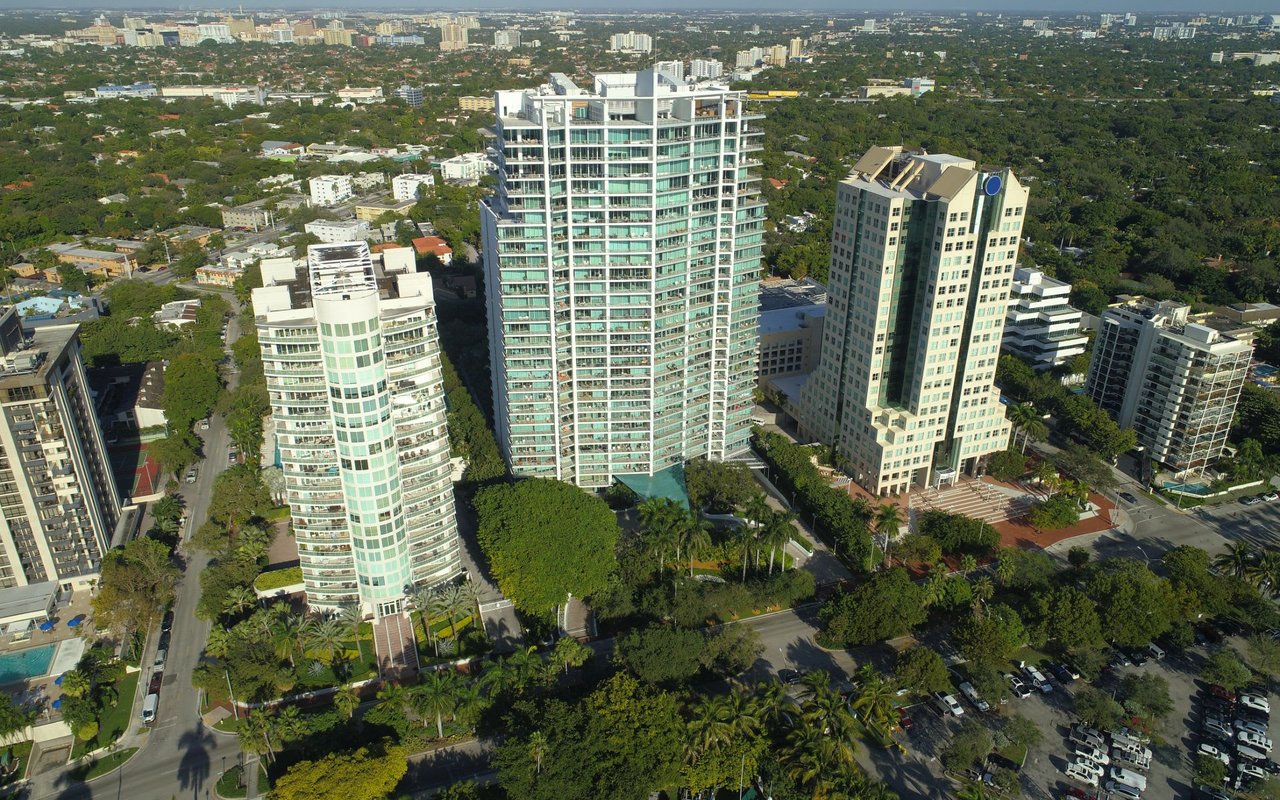
In Coconut Grove, the conversation is not just waterfront house versus inland house. The neighborhood includes a mix of condos and condo-style communities in both prominent bayfront settings and quieter inland pockets, including associations such as Glasshaus Condominium Association, Abitare Condo Association, and Loquat Park Villas Condominium Association.
That means your choice may be between a bayfront tower, a marina-facing building, or a lower-key inland residence. Each option can deliver a different balance of maintenance, privacy, access, and lock-and-leave convenience.
For condo buyers, Miami-Dade County also notes that residents should understand the location, condition, and operation of the on-site drainage system maintained by the association. That is an important reminder that lower exterior maintenance does not remove the need to review building systems and preparedness.
One of the clearest differences between waterfront and inland ownership is the maintenance burden. Waterfront homes typically involve more specialized upkeep because coastal conditions can be harder on building materials and exterior features.
FEMA says corrosion is accelerated by shoreline proximity, salt spray from breaking waves, high humidity, and onshore winds. For you, that can affect how you think about exterior materials, hardware, and the long-term care of features exposed to marine air.
The City of Miami also says the city is susceptible to sea level rise, flooding, and storm surge, and it is updating its stormwater and coastal infrastructure planning for the next 40 to 50 years. For bay-adjacent buyers, that makes it especially important to review property-specific items such as drainage, waterproofing, docks, seawalls, and insurance documentation.
Inland ownership can still involve meaningful property care, especially with larger lots and lush landscaping, but it is usually a lower marine-exposure choice. That distinction matters when you compare not just purchase price, but also the time and planning each property may require over the years.
It is easy to assume inland means no flood risk, but that is not how Miami-Dade works. The County says the area is susceptible to flooding from major rain events and storm surge, sits close to sea level, and has groundwater just below the surface, which can leave rainwater with nowhere to drain.
Coastal areas generally correspond to higher-risk flood zones, and Miami-Dade notes that properties in Special Flood Hazard Areas may require mandatory flood insurance. The County recommends checking the property-specific flood zone map for each address.
For waterfront buyers, this step is especially important. FEMA notes that Zone VE is a coastal high-hazard zone with additional storm-wave hazards, so location along the shoreline can materially change the risk profile you need to evaluate.
The key takeaway is straightforward: inland can lower marine exposure, but it should not be treated as flood-free. Every address deserves its own review.
Waterfront is also a more specialized segment of the Coconut Grove market. A recent listing snapshot cited in the research showed 78 waterfront homes for sale in Coconut Grove with a median listing price of $2.8 million, while a broader neighborhood market snapshot showed a median sale price of $2.6 million.
These numbers are only point-in-time indicators, not a forecast. Still, they help illustrate that waterfront homes tend to sit in a narrower, higher-exposure submarket.
That matters if you are trying to compare options realistically. A waterfront home may command a premium because of views, bay access, and scarcity, while inland homes can offer a different kind of value through privacy, lot character, walkability to the village, or a lower-maintenance profile.
Before you decide between waterfront and inland, focus on the details that shape daily life and long-term ownership.
Ask questions like these:
Those answers usually reveal the better fit faster than aesthetics alone.
In Coconut Grove, the best choice is usually not about making a universal rule. It is about matching the property to how you want to live, what level of upkeep you are comfortable with, and how you want the neighborhood to feel when you come home.
Waterfront is often the stronger fit if you prioritize boating, views, and direct connection to Biscayne Bay. Inland is often the stronger fit if you value tree cover, privacy, and a more traditional residential streetscape with access to the village core.
If you want help weighing a bayfront estate, a marina-facing condo, or a tucked-away inland property, the Ben Moss Group offers private, tailored guidance across Coconut Grove with the discretion and market insight high-stakes purchases deserve.
Ben has built his business by forming long-lasting relationships with his clients through providing diligent and analytical service, impeccable market knowledge, attention to detail and uncompromising ethical standards.
CONTACT US